Update: Morgan Stanley agrees. In a
note on Sunday they especially liked the reinsurers.
Original Post:
The best buys are probably the reinsurers Ace and XL but they aren't trading pre-market.
The Travelers and Allstate both look set to open up 2% or more.
Remember when Allstate
wanted to raise premiums in Florida by 42% (later amended to a 47% increase) because of global warming?
That was just before the start of the almost 1100 day period when the U.S. suffered not a single landfalling hurricane, the streak that was broken by Irene on Saturday.*
As I said in March 2010's "
"No Surprise: Chile Leads to Reinsurance Rate Increase Debate" BRK-A; BRK-B", just after the monster earthquake in:
No kidding.
A brisk breeze gets the boys in Omaha, Zurich, Munich and London (Lloyds) talking about premium increases.
Not to mention the herverzekering crowd in Amsterdam, they're tough bastards.
Here's how Reuters put it, five days ago:
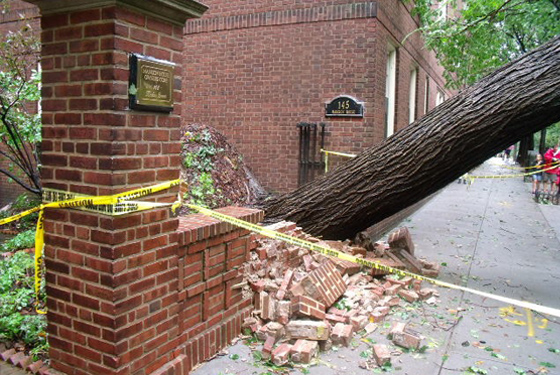
Hurricane Irene, threatening to become the first hurricane to hit the United States in three years, could be the catalyst the insurance industry has been seeking in its quest for across-the-board premium increases after years of weakness.
Like speculators in the futures market who applaud the effects of drought on wheat prices, another disaster could ultimately cheer investors in insurance and reinsurance stocks. Major storms in 2004 and 2005 triggered a surge in insurance stocks after the fact....MUCH MORE
*The number of days in between intense hurricane landfalls (S/S Category 3-4-5) is still running as Irene landed as a Cat2.
Tomorrow we will tie the 2,136 days between landfalls of October 11,1909 and August 17,1915 as the second longest streak in the historical record.
I bet you haven't seen that little factoid anywhere else today.