Using Bastiat's observation as our starting point:
endeavors to live at the expense of everybody else.”
You can bet that over the next five years, U.S. cities like Chicago and states like New Jersey or Connecticut will be clamoring for either debt restructuring/forgiveness or their preferred wealth transfer: a Federal bailout.
From Quartz, July 21, 2022:
Couples in voluminous A-line skirts, high-waisted pants with suspenders and liberally applied hair gel swing each other across the stage, Elvis’s Blue Suede Shoes echoing throughout the square.
It feels as if Danny Zuko will roll up in his hot rod any minute, but this isn’t a scene out of Grease. The dancers are in the otherwise sleepy German city of Wettenberg, whose half-timbered houses and cobblestone streets accommodated an estimated 70,000 visitors last weekend. They came for the “Golden Oldies” festival, which celebrates “the lifestyle and luxury” of the 1950s and 1960s, often thought of as a golden age that followed West Germany’s wartime devastation.
Held on July 25 and 26, it’s the one weekend of the year when Wettenberg’s medieval castle is not the main attraction. Among the largest of its kind in Europe, the annual fete captures the zippy ambience of Germany’s “Wirtschaftswunder”—the “economic miracle” that rekindled hope for many. After enduring years of price controls and Nazi-imposed rationing, new disposable income of the period suddenly allowed Germans to purchase cars, ovens, washing machines—modern status symbols that grew fashionable as West Germany became one of the richest countries in the world.
“People had the feeling things were improving; that they could achieve something,” said Thomas Brunner, the mayor of Wettenberg and a key organizer of the event, told Quartz. “People found joy in life again.”
The festival’s nostalgia for this era of burgeoning wealth holds particular resonance in today’s tense economic milieu. While Germans go retro to commemorate their own mid 20th century emergence from economic desolation, a “miracle” buoyed by debt cancellation, Greeks are standing in line for cash allowances, food, clothing and medicine.
[n.b. things have revered in four years]
Starting in the late 1940s just following the end of World War II, the West German Wirtschaftswunder ran approximately until the early 1970s. “Germans like this time because things were looking up,” Brunner said. “The people had done it—they had managed to leave behind the damage and backwards step of the war.”
Morale certainly helped, but the international community’s 1953 forgiveness of half of Germany’s foreign debt following World War II underpinned the nation’s revitalization.
This relief facilitated then-finance minister Ludwig Erhard’s orchestration of the German economic recovery. Debt forgiveness meant Germans could turn their attention to building up the country, fueling the economy with both hard work and spending....
....MUCH MORE
Hop in your Straßenkreuzer:
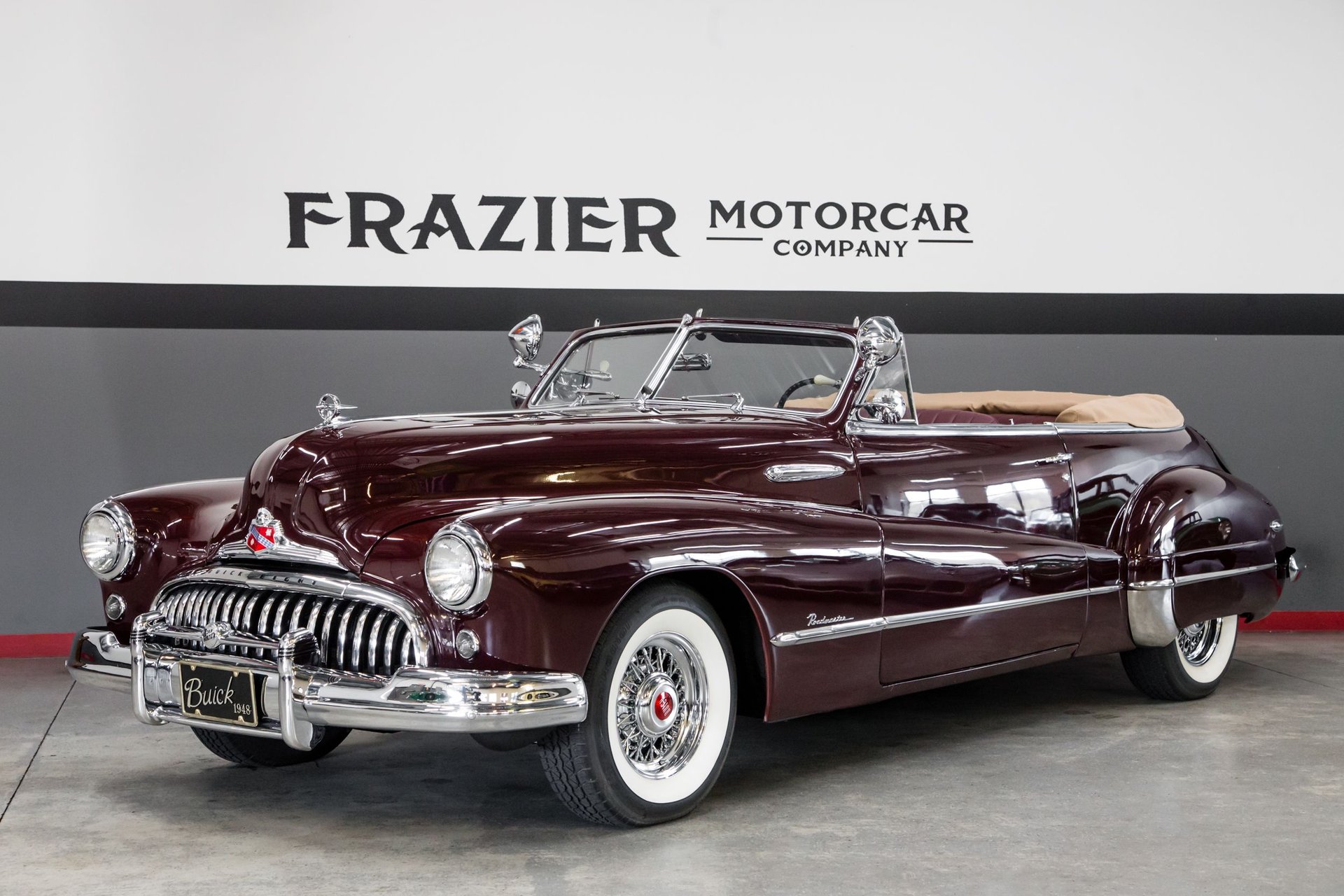
1948 Buick Roadmaster Convertible - SOLD at JP Frazier
And life could be a dream, sweetheart.

