From the Tiled With Pentagons blog, July 2:
(Epistemic status: A hill I'll happily die on, but also will own as the kind of subjective hot take where my own taste is load-bearing for its validity. For everyone with a sweet tooth I've split a bottle of something nice with, and everyone embarrassed of liking fruity drinks.)
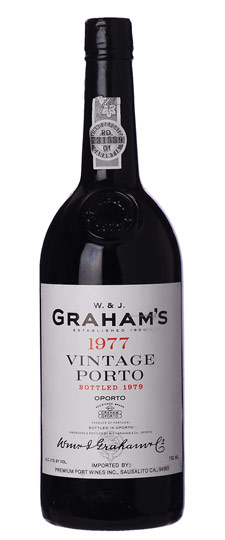
How can you tell an eternal aesthetic truth from the vagaries of fashion and signaling? One of them holds up under comparative historical analysis, and the other has a start date. Alcoholic drinks - especially wine - have been getting drier for the last century, and prestige taste has shamed us into calling this progress. It's not: it's fashion masquerading as quality, and the slightest bit of modern archaeology wears that facade away like cheap gold plating from copper. And just as with such faked gold, to be beholden to modern fashions is to spend more money than you should spend on less enjoyment than you might secure.

In 1916, a Swedish schooner named the Jönköping was transporting a cargo of fine spirits to Tsar Nicholas II's court and to the Allied war effort: wine, Cognac, and 3,000 bottles of Champagne. To Nicky's sorrow, she ran afoul of a German U-Boat, which detained her, took her crew prisoner, and scuttled her with a torpedo to prevent the steel she carried from reaching Russia. 80 years later, salvage operations began on the wreck, and 2,000 bottles of fine Champagne had survived to be lifted from the bed of the Baltic Sea. The conditions had been ideal for their preservation: the chill and the dark had prevented spoilage, and 6 atmospheres of water pressure outside had countered an equal 6 atmospheres of carbonation within, preventing leakage. Tasting notes agreed: Goût Américain 1907 was well-balanced and complex, with a "sweet, fruity, fresh" aroma with notes of honey, exotic fruits, apricots, and raisins; "comporting itself as though from the 1970s", it retained much of its carbonation after all those decades, and had a "youthful golden color with slight copper hue". It was, expert tasters agreed, one of the best Champagnes they'd ever had. And one more thing - it was very, very sweet: "sweet, and one of the richest Champagnes [they'd] ever tasted"; almost scandalously so. And it wasn't that the wine had improved all that much or sweetened at all over its near-century at the bottom of the sea. All Champagne has added sugar - called a dose - to balance its acidity and help carbonate the wine, and Goût Américain 1907's was relatively high - at least, for modern times. For its own time, it was pretty unexceptional. That was what excellence tasted like for those who could afford the very best: rich and sweet. Some of the richest people who ever drowned went down with the Titanic, and before their fateful foundering, they would have been toasting with much the same: something rich, complex, scintillating, and, according to a modern oenophile's palate, dessert. (It's a pity that no recoverable bottles of Champagne survived to prove me right.) Bone-dry Brut as a badge of sophistication is a recent invention....
....MUCH MORE

