From Bloomberg, December 19:
The Pentagon is pushing to develop a domestic supply of antimony, often found alongside the precious metal. That could be a bonanza for the billionaire hedge fund manager and Trump supporter.
Yellow Pine Pit, gashed out of the serrated peaks of Idaho’s Salmon River Mountains, wears its history in its colors. Bands of rust and gunmetal, ash and buttercream are a testament to the mine’s crucial role in World War II. Along the shores of a lake that now fills its depths protrude boulders of stibnite, the rock that contains the critical mineral antimony.
Without it, lead bullets would be soft and howitzers wouldn’t fire. When China, the world’s largest producer of antimony, started curtailing exports four years ago and banned them to the US altogether in December 2024, the news set off alarms in Washington and spurred efforts to revive long-dormant production in the US. The abandoned mine’s owner, Perpetua Resources Corp., started calling itself “the best and nearest-term solution.” Perpetua’s largest shareholder: billionaire investor and Donald Trump supporter John Paulson, who owns a 26% stake.
The company’s proposal to reopen and expand what’s known as the Stibnite Mining District got its final federal permit in May, soon after President Trump announced a push to develop a domestic supply of critical minerals. So one morning in September, in a clearing overlooking Yellow Pine Pit, company executives, government officials and a US Army general gathered for a kick-off ceremony to laud what they called the national security benefits of Perpetua’s project. An “American Antimony” banner stretched over a pile of stibnite rocks.
But industry experts and several military officials interviewed by Bloomberg Businessweek say they don’t see the project as the best way to secure a US antimony supply. The amount the company says it can recover would be enough to meet domestic demand for only about two years, and the grade of the ore is substantially lower than deposits elsewhere. The relatively low grade means it will cost more to refine the antimony to meet military and commercial standards, which some of those people say is economically unsound.
Although the talk at the ceremony was all about antimony, the real value of the project is further down the periodic table. Gold is often found alongside antimony, and Paulson, who made a fortune betting against subprime mortgages in 2007, has long been a goldbug. With the price soaring above $4,300 an ounce in December, the 4.2 million ounces of gold Perpetua expects to mine over 15 years would be worth more than $18 billion, far exceeding the value of the antimony it can recover. The company says gold is expected to account for as much as 95% of the project’s revenue.....
....In its rare, purest form, antimony appears in ore as mirror-bright blades, like swords, though it’s almost always found in combination with other elements such as gold. Indeed, the word means what its Greek roots suggest: anti (opposed) and monos (alone). Ground into powder, it was used by ancient Egyptian and Greco-Roman elites to highlight their eyes. Medieval alchemists conferred almost magical powers upon it. They roasted and distilled it to treat infections, venereal diseases, fevers and leprosy.
“Antimony is a mineral in which so wonderful a spirit is hidden that its virtues are inexhaustible, and its powers transcend human knowledge,” Benedictine monk Basil Valentine wrote in The Triumphal Chariot of Antimony in 1604, noting its “far more sympathetic affinity to the stars than any other metal or mineral.” That’s because a starlike crystalline pattern would surface during extraction, the result of impurities such as sulfur, arsenic or lead. If they weren’t removed, medicines made of antimony would be toxic.
Gunsmiths later discovered antimony could harden lead, preventing musket shot and bullets from deforming, and its primary use changed from curative to lethal. It’s now an irreplaceable component in more than 300 types of munitions....
....MUCH MORE
"There's antimony in them thar hills"
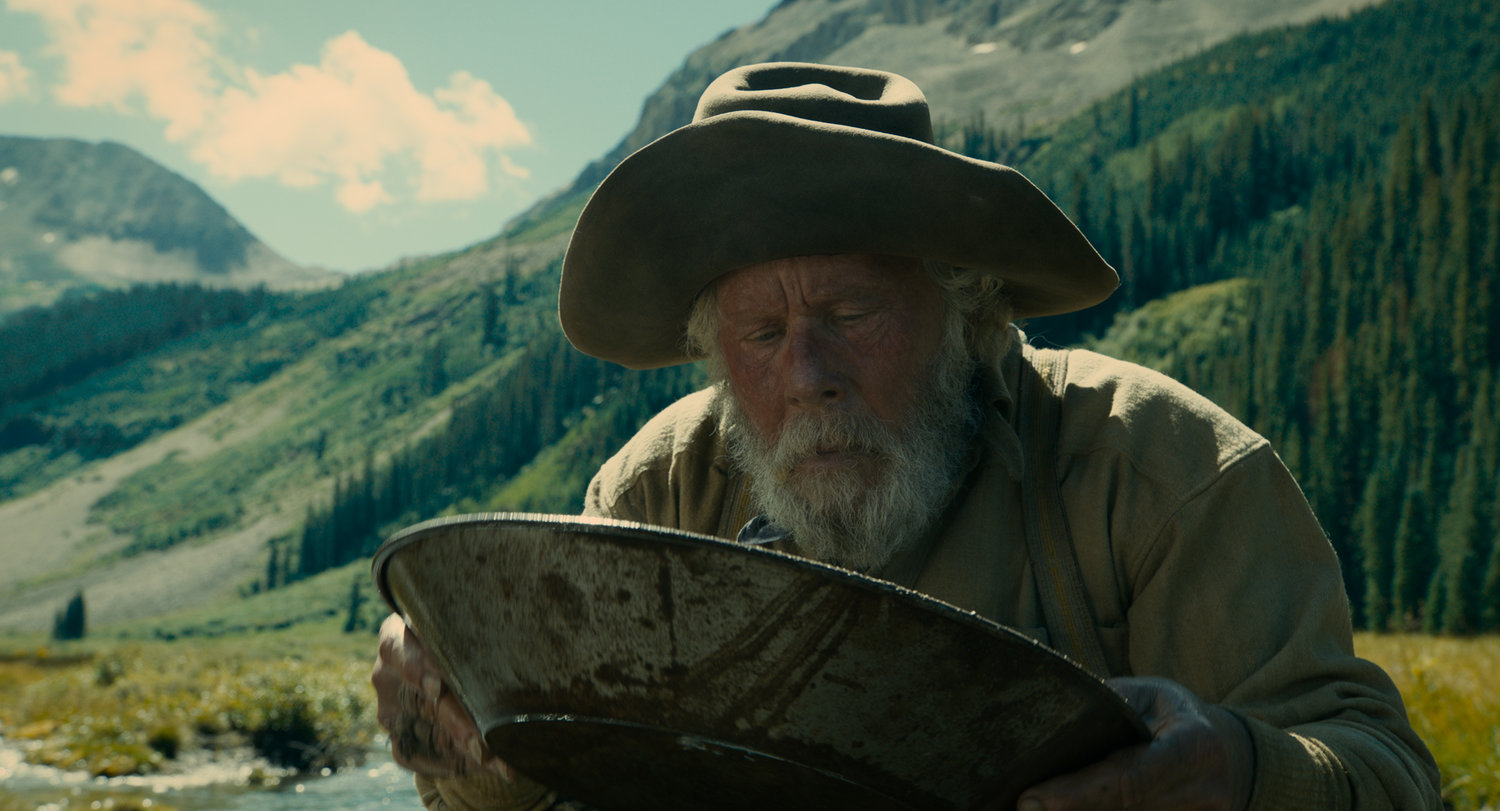
Grizzled prospector intently looking for antimony.
note: NOT John Paulson, NOT looking for antimony.
(that's Tom Waits in the Coen brothers film “The Ballad of Buster Scruggs.”)

